
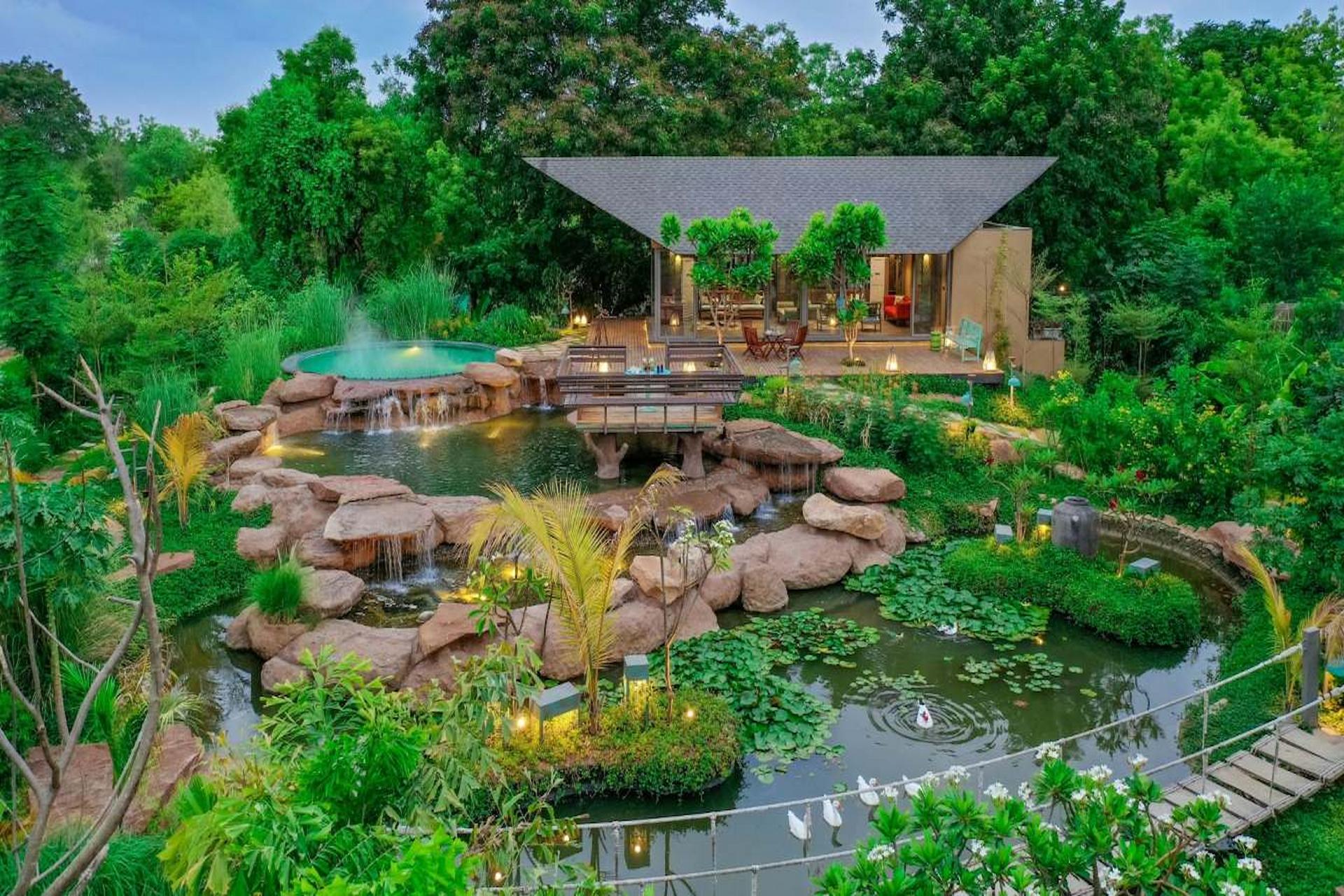
When we walk through a place we know well – perhaps the winding lanes of a historic market town, a rolling rural hillside, or a city park lined with mature trees – we’re not just seeing scenery. We’re experiencing a sense of identity that comes from its history, layout, and the relationship between people and nature over time. In the world of landscape planning, this quality is called landscape character – and it plays a vital role in shaping the future of our built and natural environments.
Landscape character is about more than just visual appeal. It’s a combination of geology, land use, vegetation, buildings, and even the way light falls on a place. It is the ‘feel’ of a location, and it’s something planners, architects, and communities are increasingly recognising as central to sustainable, sensitive development.
What Is Landscape Character?
At its core, landscape character describes the distinct and recognisable pattern of elements that make one place different from another. Two villages might be only a few miles apart but can have entirely different identities because of their topography, architectural styles, planting traditions, or historic land use.
In planning terms, recognising and respecting this character helps ensure that new developments feel like a natural extension of their surroundings rather than an imposition. This is why Landscape Planning Services, such as those offered at https://artemis.uk.net/landscape-planning/, are often supported by landscape character assessments (LCAs) carried out before major design or planning decisions are made.
Why Local Identity Matters in Planning
Local identity isn’t just a sentimental concept; it has practical benefits. When communities feel their surroundings reflect their culture, history, and way of life, they are more likely to engage with and support new projects. It also creates a stronger sense of belonging and pride, which in turn can encourage people to care for and maintain public spaces.
From a developer’s perspective, aligning with local character can reduce opposition to projects and help planning applications proceed more smoothly. For example, a housing development that uses locally sourced stone and matches the scale of existing buildings will often be better received than one that ignores the visual language of the area.
The Role of Landscape Character Assessments
A landscape character assessment is a methodical way of studying and describing the features that make up a place’s identity. These assessments consider:
- Physical factors – geology, landform, soils, climate, and water features.
- Biological factors – vegetation types, habitats, and wildlife.
- Cultural factors – historical land use, settlement patterns, architecture, and local traditions.
- Aesthetic and perceptual qualities – views, tranquillity, and the sensory experience of a place.
By documenting these elements, planners gain a clear understanding of how a proposed change might enhance or disrupt the character of the area.
Balancing Change with Conservation
It’s important to acknowledge that landscapes are not static. They evolve over time in response to social, economic, and environmental pressures. The challenge for modern planning is to manage change in a way that respects the essence of a place while meeting contemporary needs.
For example, renewable energy projects like wind farms or solar arrays can alter views and land use, but with thoughtful siting, appropriate screening, and sensitive design, they can also be integrated into existing landscapes without overwhelming their character.
Similarly, urban regeneration projects can breathe new life into neglected spaces while still retaining the architectural details, planting patterns, or spatial layouts that give them a sense of place.
Community Engagement and Ownership
One of the most effective ways to protect and enhance landscape character is through community engagement. Residents often have a deep, intuitive understanding of what makes their area special – knowledge that may not always appear in official maps or records.
Workshops, surveys, and public consultations allow people to share their insights, identify valued features, and discuss their vision for the future of their landscape. This collaborative approach can create more robust, well-received plans that feel rooted in local reality rather than imposed from the outside.
The Wider Benefits of Character-Led Planning
When landscape character guides planning, the benefits extend beyond aesthetics. It can:
- Support biodiversity by preserving habitats and natural features.
- Strengthen heritage conservation by protecting historically significant landscapes.
- Boost tourism by maintaining the appeal of distinctive areas.
- Improve quality of life by creating harmonious, attractive spaces that encourage outdoor activity.
These outcomes contribute to sustainable development goals, making character-led planning a valuable approach for both environmental and social wellbeing.
Looking Ahead: Integrating Character into Policy
Many planning authorities now require consideration of landscape character in development proposals. This ensures that future growth does not come at the cost of losing what makes a place unique.
However, true success lies in embedding character considerations not just as a box-ticking exercise but as a core design principle from the outset. This means involving landscape planners early in the process, working closely with local communities, and making informed, sensitive design choices.
For more on how expert planners approach this balance, Artemis.uk.net offers insights into integrating character studies into practical, forward-looking landscape strategies.
Final Thoughts
Every landscape tells a story. It’s written in the contours of the land, the materials of its buildings, the layout of its paths, and the colours of its vegetation. Protecting and enhancing this story while allowing it to evolve is one of the greatest challenges – and opportunities – in modern planning.
By respecting local identity through landscape character assessments and thoughtful design, we can ensure that change does not erase the essence of a place, but instead builds on it. The result is more than just well-planned spaces – it’s a living heritage that future generations can experience, enjoy, and continue to shape.


