
Safety lies at the core of every successful industrial project. In today’s fast-moving sectors, businesses depend on safe and reliable Pipework Fabrication Services to ensure operational efficiency. This article explores essential safety standards and best practices that help maintain quality, compliance, and long-term system reliability.
The demand for precision and safety in industrial projects has never been greater. Every system, from energy to manufacturing, relies on effective and secure pipework. Companies offering Pipework Fabrication Services play a crucial role in achieving this balance. By adhering to strict safety standards and proven best practices, they help businesses operate with confidence while avoiding costly risks.
Safety in pipework isn’t just about avoiding accidents. It ensures compliance with industry regulations, protects workers, and extends the lifespan of systems. Failure to follow proper standards can lead to:
- Costly downtime from equipment failure.
- Legal consequences for non-compliance.
- Reduced trust from clients and stakeholders.
Adopting the correct standards from the start protects both people and profits.
Core Safety Standards in Pipework Fabrication
Across the UK, strict standards guide safe design and fabrication. These include:
- Health and Safety Executive (HSE) guidelines – outlining safe working conditions for employees.
- British Standards (BS) and EN codes – ensuring materials and processes meet global benchmarks.
- Welding standards – requiring certified welders and inspections for structural integrity.
- Pressure testing requirements – guaranteeing systems can handle operational stress safely.
- ISO certifications – promoting consistent quality management and safety processes across projects.
- Hazardous materials handling – ensuring safe storage and use of chemicals or gases.
- Environmental compliance – reducing emissions and waste in line with sustainability regulations.
- Documentation and record-keeping – maintaining traceability of materials, inspections, and tests for accountability.
- Regular audits and inspections – verifying ongoing compliance with industry and safety standards.
These standards not only improve safety but also ensure projects meet compliance requirements, reduce risks, and pass inspections smoothly.
Best Practices in Fabrication Services
Beyond legal compliance, best practices elevate the quality of pipework systems. Leading providers of Pipework Fabrication Services apply these proven methods:
- Material selection: Choosing corrosion-resistant and durable materials suitable for specific environments.
- Accurate measurements: Ensuring precision in design and cutting to prevent leaks or structural weakness.
- Qualified personnel: Employing trained engineers and welders with proper certifications.
- Documentation and traceability: Recording all materials, tests, and processes for accountability.
These practices guarantee systems that perform efficiently under pressure.
Workplace Safety in Fabrication Environments
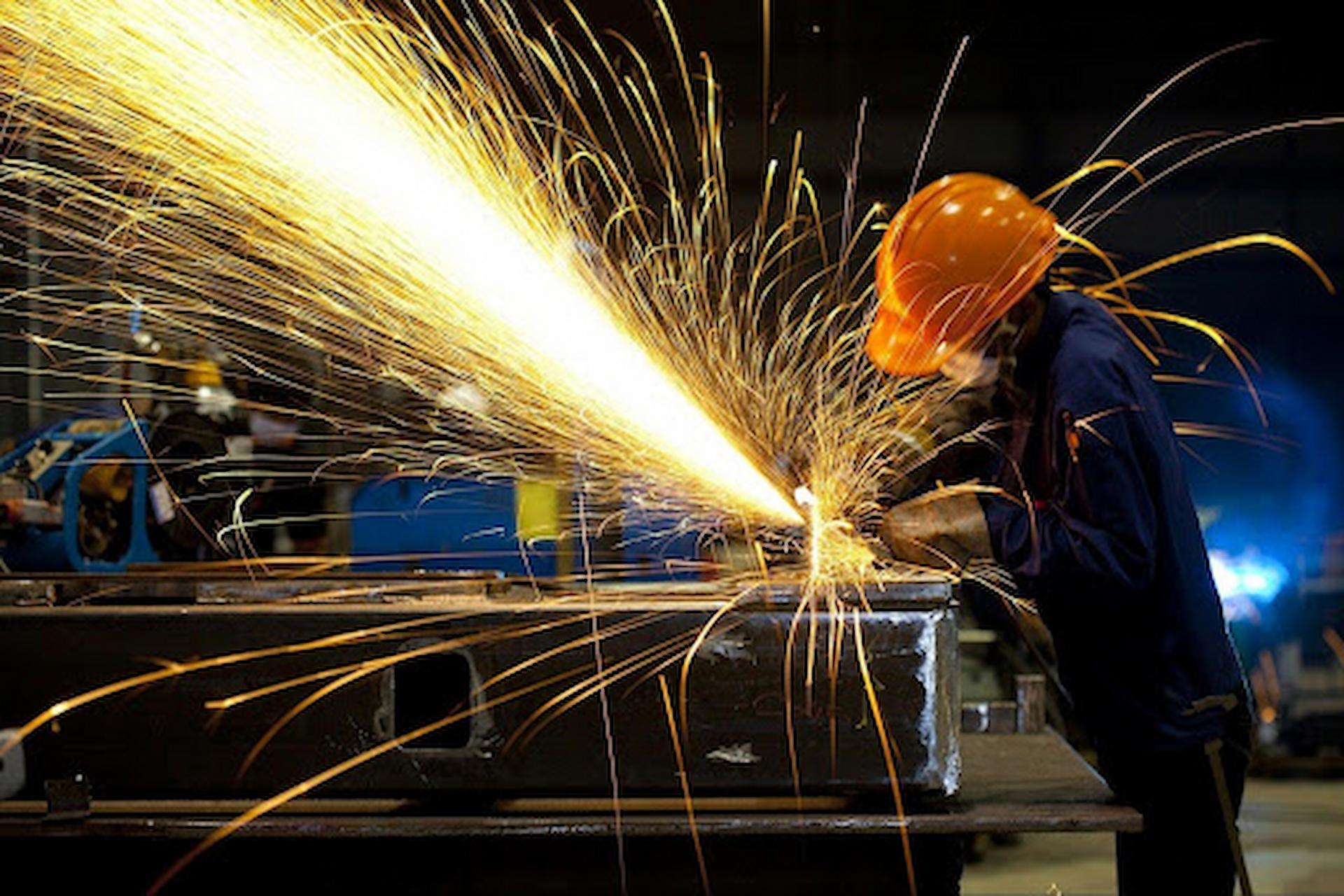
Workplace safety is the foundation of reliable pipework fabrication, and maintaining strict standards is essential for both employees and projects. A safe environment starts with mandatory use of Personal Protective Equipment (PPE), including helmets, gloves, goggles, and protective clothing, to shield workers from potential hazards. Thorough risk assessments are carried out before fabrication begins, helping identify dangers and implement preventative measures. Alongside this, emergency planning ensures teams are prepared to respond quickly and effectively to any unexpected incidents. Regular training also plays a vital role, keeping staff updated with the latest safety practices, standards, and technologies. By embedding these measures into daily operations, businesses not only reduce workplace incidents but also foster a strong culture of responsibility and safety.
Actionable Tips for Businesses Using Pipework Services
For companies hiring fabrication services, safety should be a priority when selecting providers. Key tips include:
- Verify certifications: Ensure the company follows recognised standards.
- Request testing records: Look for documented pressure and quality tests.
- Check workforce qualifications: Skilled welders and fabricators reduce risks.
- Review maintenance plans: Regular upkeep ensures long-term system safety.
By asking these questions, businesses can choose partners who deliver reliability and compliance.
Benefits of Strong Safety Practices
Companies that integrate robust safety standards into fabrication projects enjoy several advantages:
- Longer-lasting systems with reduced maintenance costs.
- Higher trust from regulators and clients.
- Improved employee morale and reduced turnover.
- Lower insurance costs due to fewer incidents.
Ultimately, prioritising safety delivers both operational and financial benefits.
The Future of Safe Pipework Fabrication
Emerging technologies are helping raise safety standards even further. Digital modelling, automated welding, and advanced monitoring tools reduce errors and enhance precision. As industries evolve, businesses will increasingly rely on providers who embrace innovation while maintaining strict compliance.
Forward-looking companies in Pipework Fabrication Services are already combining skilled teams with smart technology to deliver reliable, future-proof solutions.
In Closing
In conclusion, safety and quality must go hand in hand in pipework fabrication. Every stage, from choosing the right materials to ensuring proper workplace training, directly impacts system performance and reliability. Companies that place safety at the forefront gain significant advantages, including reduced risks, improved efficiency, and long-term cost savings. Working with trusted professionals like Anglian Pipework Ltd provides reassurance that projects meet strict standards and deliver dependable results. In modern industries, safe Pipework Fabrication Services are no longer optional—they are vital for protecting people, assets, and operations while ensuring sustainable success in demanding environments.

