
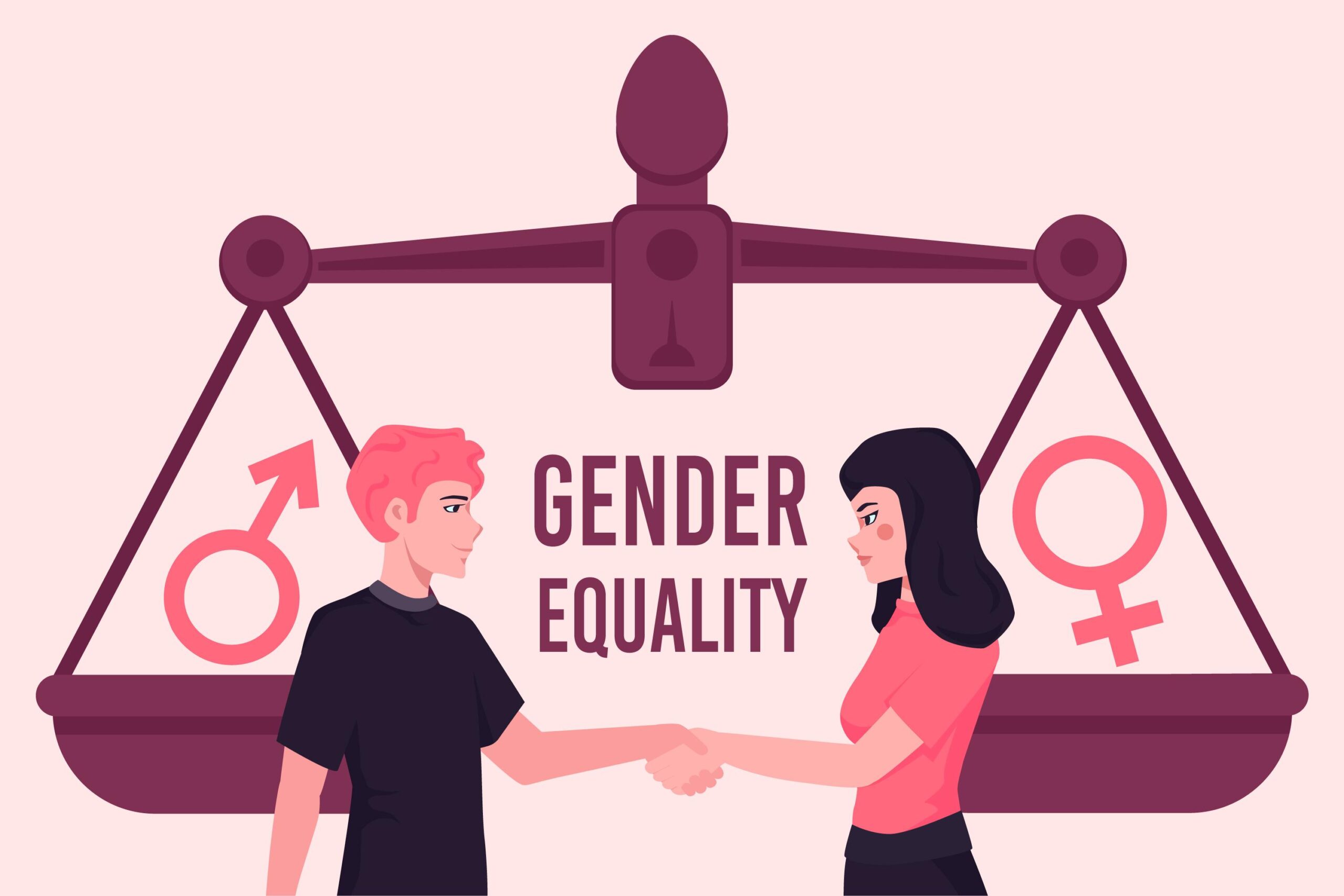
Introduction: Why Gender Equality Still Matters
Let’s start with an honest question. In 2026, do we really still need to talk about Gender Equality? Haven’t we “fixed” it already?
The short answer is no. The longer answer is that progress has been made, but true balance in opportunity, pay, leadership, and respect is still uneven. Gender Equality is not about competition between men and women. It is about fairness, access, and dignity for everyone.
When we speak about Gender equality in society, we are talking about equal access to education, equal pay for equal work, equal representation in leadership, and equal protection under the law. It sounds simple. Yet achieving it requires consistent effort from governments, businesses, families, and individuals.
Modern society depends on talent, innovation, and collaboration. Limiting opportunity based on gender is not just unfair. It is inefficient.
Understanding Gender Equality in Practical Terms
Gender Equality means that people of all genders have the same rights, responsibilities, and opportunities. It does not mean everyone becomes identical. It means everyone has equal value.
In practical life, this affects hiring decisions, promotions, salaries, healthcare access, safety laws, and even the way children are encouraged to dream. If a girl is discouraged from studying science, or a boy is discouraged from expressing emotion, both are experiencing limitations shaped by outdated norms.
Equality is not about removing differences. It is about removing discrimination.
Economic Growth Depends on Equal Opportunity
Let’s talk business. When women participate equally in the workforce, economies grow faster. More workers mean more productivity. More perspectives mean better decisions. More innovation means stronger competition.
Companies that promote Gender Equality often perform better financially. Diverse leadership teams tend to be more balanced in risk assessment and more creative in problem solving. This is not opinion. It is supported by economic research across industries.
And this is not only about large corporations. Small businesses, startups, and family enterprises also benefit. Fair payroll systems, transparent hiring practices, and inclusive policies build trust. Even publications such as a global women magazine play a role by highlighting successful women leaders and encouraging visibility in industries where representation is low.
Economic fairness is not charity. It is a strategy.
Education: The Foundation of Lasting Change
Education is where equality begins. When girls and boys have equal access to quality education, the long-term benefits are powerful. Educated women are more likely to participate in the workforce, earn higher incomes, and invest in their families’ health and education.
But equality in education is not only about enrollment numbers. It also involves subject choices, mentorship, and encouragement. Are girls being encouraged to pursue technology and engineering? Are boys being taught that caregiving professions are valuable? These questions shape the workforce of tomorrow.
When education systems support Gender Equality, society gains skilled professionals in every field.
Leadership and Representation Matter
Representation shapes perception. When people see women in leadership roles, it changes expectations. It tells young girls that ambition is acceptable and achievable.
In politics, corporate boards, media, and entrepreneurship, balanced representation leads to broader perspectives. Policies become more inclusive. Workplace cultures become more flexible. Conversations become more balanced.
Modern leadership requires empathy, communication, and collaboration. These qualities are not limited to any gender. Encouraging equal participation strengthens institutions.
And yes, sometimes the boardroom might feel less dramatic when everyone feels heard. That is a bonus.
Social Stability and Community Well-Being
Gender Equality also contributes to safer and more stable communities. Societies that respect equal rights tend to have lower rates of violence and higher levels of trust.
When women have financial independence, families are more resilient. When men are encouraged to share caregiving responsibilities, relationships become healthier. When laws protect everyone equally, public confidence increases.
Equality reduces tension. It builds cooperation.
Breaking Stereotypes in Modern Culture
Stereotypes may seem harmless, but they shape decisions in subtle ways. If leadership is constantly portrayed as masculine, women may hesitate to step forward. If emotional expression is discouraged in men, mental health suffers.
Challenging stereotypes is not about rejecting tradition. It is about updating it. Modern society evolves. Roles evolve. Expectations evolve.
Gender Equality encourages individuals to choose paths based on interest and ability, not outdated labels.
The Role of Businesses and Institutions
Organizations have a responsibility to create fair policies. Transparent salary structures, parental leave for all genders, mentorship programs, and zero tolerance for harassment are practical steps.
Workplace equality does not weaken productivity. It improves morale and reduces turnover. Employees who feel respected perform better. It is that simple.
Institutions that support Gender Equality attract talent. Talented people want environments where merit matters more than bias.
A Future Built on Balance
The importance of Gender Equality in modern society goes beyond fairness. It affects economic growth, education, leadership, safety, and long-term sustainability.
We cannot build strong communities while half the population faces barriers. Equality is not a trend. It is a foundation for progress.
In conclusion, Gender Equality benefits everyone. It strengthens families, boosts economies, improves leadership, and builds trust in institutions. A society that values equal opportunity is not just morally stronger. It is practically smarter.
The goal is not to create a world where everyone is the same. The goal is to create a world where everyone has the same chance.
And honestly, that sounds like a very reasonable plan.