
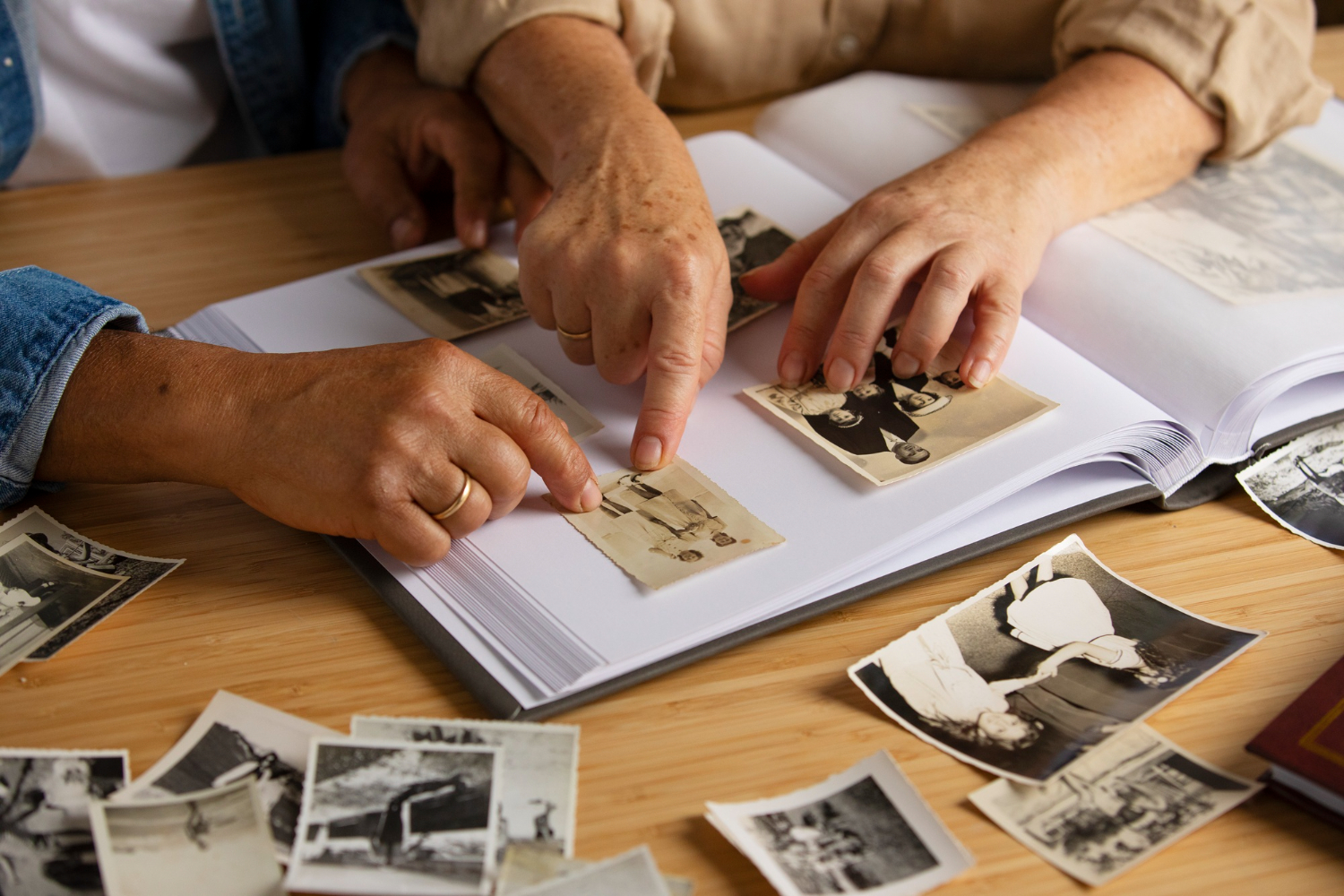
Every person carries a collection of memories that shape who they are. These memories may seem deeply personal, but many of them connect with experiences shared by others. A childhood tradition, a family gathering, a meaningful friendship, or a life-changing event can resonate with people from different backgrounds. This is how personal memories gradually become collective stories. They move beyond individual experiences and become part of a larger cultural conversation. Whether shared through books, films, social media, or interviews, these stories help people understand one another and preserve important moments for future generations. Readers of a women magazine uk often discover personal journeys that inspire and connect with them because these stories reflect emotions and experiences many people can relate to.
What Are Personal Memories?
Personal memories are the experiences, moments, and emotions that stay with us throughout our lives. They can be joyful, challenging, inspiring, or even life-changing. These memories often help shape our identity and influence the way we see the world.
Some memories are highly individual, while others are connected to experiences that many people share. For example, starting a new job, moving to a different city, celebrating milestones, or overcoming obstacles are experiences that can connect people across cultures and generations.
When personal memories are shared through storytelling, they often become meaningful to a wider audience.
The Connection Between Personal and Collective Stories
A collective story is a narrative that a group of people can relate to and understand. While it may begin with one person’s experience, it grows into something larger because others recognize similar feelings or situations in their own lives.
For example:
- A story about growing up in a small town may remind readers of their own childhood.
- A story about perseverance during difficult times can inspire others facing challenges.
- A story about family traditions can help people reflect on their own cultural heritage.
The details may differ, but the emotions often remain the same. This emotional connection allows personal memories to become collective stories.
Why Storytelling Matters
Storytelling has always been one of the most powerful ways humans communicate. Long before books, websites, and social media existed, people shared stories verbally to preserve history, values, and traditions.
Stories help people:
- Learn from the experiences of others
- Build empathy and understanding
- Preserve important memories
- Strengthen community connections
- Pass knowledge to future generations
Because stories create emotional connections, they are often remembered longer than facts alone.
The Role of Shared Experiences
Many collective stories are built around shared experiences. People naturally connect with stories that reflect their own lives or feelings.
Common themes include:
Family and Relationships
Stories about parents, siblings, friendships, and loved ones often resonate because relationships are a universal part of life.
Personal Growth
Experiences involving learning, self-discovery, and overcoming obstacles inspire readers who may be going through similar situations.
Success and Failure
Stories of achievement are motivating, but stories about setbacks and resilience can be even more powerful because they feel authentic and relatable.
Cultural Traditions
Memories tied to traditions, celebrations, and customs help preserve cultural identity while connecting communities.
How Media Helps Turn Memories into Collective Stories
Modern media plays a major role in transforming personal experiences into stories that reach large audiences.
Today, people share memories through:
- Blogs
- Podcasts
- Social media posts
- Online magazines
- Books and memoirs
- Video content
A single story can spread across the world within hours, allowing people from different backgrounds to connect through shared emotions and experiences.
Media platforms have made storytelling more accessible than ever before. As a result, personal memories can quickly become part of larger social and cultural conversations.
Creativity and Artistic Expression
Many artists draw inspiration from their own lives. Personal memories often serve as the foundation for creative works that resonate with audiences worldwide.
Music, literature, photography, and visual art frequently begin with individual experiences. For example, the journey of a woman in music may start with personal challenges, dreams, and milestones. When these experiences are expressed through creative work, audiences often connect with the emotions behind them. Such stories showcase female Entrepreneurs while also highlighting themes of resilience, passion, and determination that inspire others. Creative expression allows personal memories to reach people who may never have shared the same experiences but can still relate to the emotions being conveyed.
Social Media and the Rise of Collective Storytelling
Social media has changed the way stories are shared. Platforms such as Instagram, Facebook, TikTok, and LinkedIn allow people to document and share their experiences instantly.
When a story resonates with others, it can be:
- Shared across networks
- Discussed in comments
- Adapted into new content
- Expanded through community participation
This process transforms individual experiences into collective conversations.
For example, a personal story about career growth may inspire thousands of people to share similar experiences. What begins as one memory can evolve into a larger discussion that benefits many individuals.
Why Authentic Stories Have the Greatest Impact
People are naturally drawn to authenticity. Stories that feel honest and genuine often create stronger emotional connections than stories that appear overly polished.
Authentic storytelling includes:
- Real emotions
- Honest reflections
- Personal lessons
- Meaningful experiences
Readers appreciate stories that show both successes and struggles because they reflect the reality of life.
Authenticity builds trust and encourages readers to engage with the story on a deeper level.
Tips for Turning Personal Memories Into Powerful Stories
If you want your memories to connect with others, consider these practical tips:
Focus on Emotions
People remember how a story made them feel more than specific details.
Find Universal Themes
Themes such as love, courage, hope, friendship, and perseverance help readers relate to your story.
Be Honest
Authentic stories often create stronger connections than perfect stories.
Include Meaningful Details
Small details can make a story feel vivid and memorable.
Share the Lesson
Readers often appreciate stories that offer insight, growth, or inspiration.
Encourage Conversation
Invite others to share their experiences. This helps create a sense of community and expands the story beyond your own perspective.
The Lasting Value of Collective Stories
Collective stories play an important role in preserving culture, history, and shared experiences. They help communities remember important moments and learn from the past.
Whether passed down through families, shared online, or published in books and magazines, these stories create connections that can last for generations.
They remind us that while every person’s journey is unique, many of our emotions, challenges, and hopes are shared.
Conclusion
Personal memories are far more powerful than they may initially seem. When shared through storytelling, they can inspire, educate, and connect people from all walks of life. Through books, conversations, media, and creative expression, individual experiences become collective stories that strengthen communities and preserve important lessons. By sharing authentic memories and listening to the experiences of others, we contribute to a larger human story that continues to grow with every generation.


