
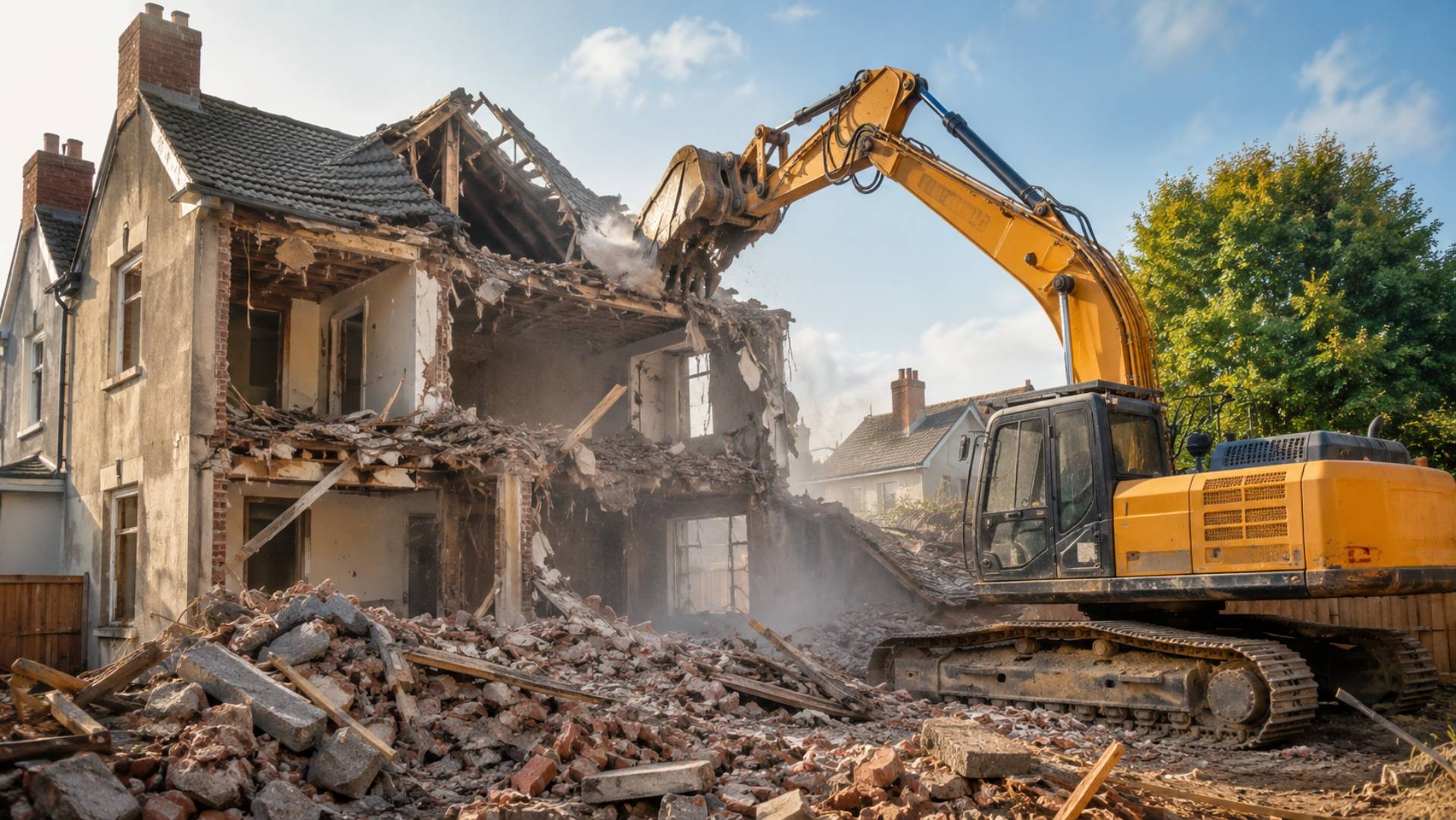
Demolishing a property is a major project that requires careful planning, preparation and professional oversight. Whether you are clearing an old building for redevelopment or removing part of an existing structure, rushing into demolition can create unnecessary safety, legal and financial problems. Understanding the key considerations beforehand can help ensure the work is carried out efficiently and responsibly.
Check Planning and Legal Requirements
Before any demolition begins, establish whether you need permission or must comply with specific local requirements. Demolition work can be subject to planning rules, building regulations and environmental controls.
Some buildings may also have additional protection because of their age, location or historical significance. A professional contractor can help identify which permissions and notifications may be required before work starts.
If you are researching demolition Buckinghamshire, checking local requirements early can prevent avoidable delays and ensure the project begins on the right footing.
Arrange a Detailed Site Assessment
Inspect the Structure
A thorough site assessment should be completed before machinery arrives. This helps identify structural weaknesses, access restrictions and potential hazards.
The assessment should consider the building’s construction, surrounding structures, underground services and nearby roads or footpaths. It can also help determine which demolition method and equipment are most suitable.
Older properties may require additional investigation because they can contain outdated construction materials or hidden structural issues.
Identify Hazardous Materials
Some buildings may contain hazardous materials that require specialist handling. Asbestos is a particularly important consideration in older properties, as disturbing asbestos-containing materials can release dangerous fibres.
Other potential hazards can include lead-based paint, contaminated materials, chemicals or damaged insulation. Appropriate surveys should be completed where necessary, and hazardous materials should be managed by suitably qualified specialists.
Never assume that a property is safe to demolish simply because it appears structurally straightforward.
Plan Waste Removal and Recycling
Demolition can generate a significant volume of waste, including concrete, brick, timber, metal, plasterboard and other materials. Planning how these materials will be handled before work begins can improve efficiency and reduce unnecessary disposal costs.
Where practical, materials should be separated for recycling or recovery. Metals, bricks and concrete may often be processed for reuse, while other materials need to be taken to appropriate waste facilities.
When comparing demolition Buckinghamshire contractors, ask how they approach waste management and whether disposal arrangements are included in the project quotation.
Consider Access and Neighbouring Properties
The location of the site can have a major impact on demolition planning. Narrow roads, limited parking, nearby buildings and restricted entrances may affect the type of machinery that can be used.
Contractors should also consider how dust, vibration and noise could affect neighbouring properties. Appropriate measures, such as dust suppression and controlled working practices, can help reduce disruption.
If the site is close to public areas, additional barriers, signage and access controls may be necessary to protect pedestrians and other road users.
Choose an Experienced Contractor
Selecting the right demolition contractor is one of the most important decisions you will make. Look for appropriate experience, insurance, competent operators and a clear approach to health and safety.
Request a detailed quotation that explains the planned demolition method, site preparation, waste handling, equipment and any additional services. Avoid choosing a contractor based purely on the lowest price.
Good communication is equally important. A reliable contractor should explain potential risks and keep you informed throughout the project.
Conclusion
Successful property demolition starts long before the first wall is removed. Planning permissions, structural assessments, hazardous materials, waste management, site access and safety all need careful consideration. By preparing thoroughly and working with an experienced professional, property owners can reduce risks, control costs and create a safer foundation for the next stage of their project.